
Poetcore is the moody younger sibling of dark academia — less campus-uniform, more candlelit library at midnight. For winter 2026 it leans into dark romance: tweed and velvet, ruffles and lace, ink-black florals and candlelight golds, all styled as though you just stepped out of a drafty Victorian reading room. The silhouette runs long and layered — sweeping coats, midi hems, scarves with actual heft — because the aesthetic only works when the clothes look like they carry a story. Accessories do the literary talking: battered leather satchels, berets pulled low, boots built for cobblestones. Below are sixteen complete outfit formulas for the season, each one wearable, each one dramatic enough to feel like a persona. Bookmark the ones that fit your winter life, and save this list before the cold settles in.
1. Tweed Blazer with a Black Turtleneck
Nothing announces poetcore faster than a heritage tweed blazer worn over a black turtleneck — it’s the uniform of someone who owns a fountain pen and isn’t afraid to use it. Hunt for tweed in charcoal, forest, or oxblood herringbone, and size the blazer slightly relaxed so it drapes like a borrowed jacket from a more interesting friend. The turtleneck underneath should be fitted and matte, ideally fine-knit wool rather than anything shiny, because the blazer is the star and the base layer is its quiet frame. Roll or push the sleeves to show a half-inch of black knit at the cuff, and add oxfords or loafers in scuffed dark leather to keep the whole thing from tipping into office wear. A tortoiseshell hair clip or simple gold signet ring finishes the literary mood without overthinking it.
For cold days, layer a camel or charcoal overcoat on top — the tweed’s texture peeks at the lapels and tells the whole story. Keep trousers slim and dark (ink-black wool or dark corduroy) so the proportions stay long. This is also the easiest formula to pull from a thrift rack: men’s tweed blazers in the 40–44 range work beautifully oversized, and a quick sleeve roll makes them look intentional. Add a silk pocket square in a moody floral if you want a flash of the romantic side, and carry a structured tote or satchel rather than a backpack to hold the academic line.

2. Dark Floral Midi Dress
The dark floral midi is poetcore’s answer to winter dressing up — romance you can actually wear to dinner. Look for blooms printed on black, espresso, or deep plum grounds, with sleeves that reach at least the elbow and a hem that falls below the knee; the longer cut is what separates the look from springtime cottagecore. Velvet, washed silk, or heavy crepe all hold the pattern with the right gravity, and a defined waist (either seamed or belted) keeps the fabric from swallowing you. Style it with opaque tights and ankle or knee boots in black leather — bare legs cancel the whole mood in winter.
Layering is where this outfit earns its place in a winter wardrobe: a cropped cardigan over the shoulders, or a fitted turtleneck beneath a sleeveless version, extends it through the coldest months. If evenings get dressier, swap boots for pointed flats and add a long wool coat; the floral hem flashing beneath dark wool is exactly the kind of contrast the aesthetic lives for. A velvet choker or small cameo brooch at the neckline nods to the Victorian undercurrent without tipping into costume. For more dark-romantic evening ideas, see the velvet blazer look — the textures pair beautifully.

3. Velvet Blazer for Evening
A velvet blazer is the poetcore power move for nights out — it catches low light the way nothing else in your closet does. Choose bottle green, claret, or midnight navy rather than black, because color is what makes velvet glow; a shawl collar or peak lapel amplifies the drama. Wear it over a black silk camisole or a lace-trimmed slip top, with tailored black trousers or a slim satin skirt below. Keep the base deliberately simple: velvet supplies all the texture the outfit needs, and anything lacy underneath competes with it. Pointed heels or polished Chelsea boots finish the look depending on how dressed up the evening runs.
The trick to wearing velvet without looking dated is the fit — the blazer should be sharp through the shoulders and just skim the hip, never boxy. Push the sleeves a touch and stack a few thin gold bangles at the wrist for candlelight sparkle. For winter events, drape a long coat over everything and let the velvet lapels show at the neckline; the effect reads expensive and a little mysterious. This is one piece worth buying well, because cheap velvet pills and loses its sheen fast — a lined, structured version will serve you for years. Pair it with our velvet styling guide for more ways to wear the fabric this season.

4. Ruffled Poet Blouse
The ruffled poet blouse is the namesake piece of the whole trend, and winter 2026 wears it tucked, tied, and slightly undone. Look for high necks with a ruffle bib or jabot, blouson sleeves gathered at the wrist, and fabrics with body — cotton voile, washed silk, or fine lawn that holds a frill. Ivory and ink black are the two poles: ivory under a dark blazer glows like a manuscript page, while black-on-black layering goes full gothic romance. Tuck it into high-waisted trousers or a midi skirt so the ruffles stay the focal point rather than billowing everywhere.
Style it with a cameo or locket at the throat to anchor the neckline, and keep jewelry otherwise minimal — the blouse is already doing the talking. For day, a structured blazer and loafers make it lecture-hall ready; for evening, remove the jacket, add a dark midi skirt, and let the ruffles take the spotlight under low light. One practical note: sit the ruffle flat under outerwear to avoid a bulky silhouette, and skip delicate dry-clean-only versions if you’ll wear it weekly — a washable cotton version keeps the romance without the maintenance. This blouse also layers beautifully under vests and waistcoats for the full academia effect.

5. Plaid Skirt with Knee Socks
The plaid skirt and knee socks pairing is poetcore’s most playful formula — a nod to school corridors that the rest of the outfit matures into something literary. Pick a tartan in muted tones (charcoal, forest, or burgundy over-checks rather than bright red), pleated or A-line, hitting just above or at the knee. Knee socks in charcoal, cream, or argyle sit just under the hem; the sliver of leg between sock and skirt is the whole point, so check the proportions in a mirror. A chunky knit or fitted turtleneck on top balances the skirt’s volume, and brogues or Mary Janes ground it with scholarly weight.
To keep it from reading juvenile, add one deliberately adult element: a long wool coat, a leather satchel, or a structured blazer. An oversized scarf in a complementary plaid works beautifully too. This is also the ideal formula for transitional winter days when full tights feel like too much — the knee socks keep you warm enough for brisk afternoons between classes or errands. If your closet already leans preppy, this is the easiest on-ramp to the aesthetic: one skirt and a pair of socks shift your whole winter rotation toward the moody literary end of the spectrum.

6. Long Wool Coat with a Blanket Scarf
When the temperature drops hard, poetcore survives on the long wool coat and blanket scarf combination — drama you can wear over literally anything. The coat should fall at least to mid-calf: camel, charcoal, or black double-breasted styles have the most presence, and a defined shoulder line keeps the volume from looking shapeless. The blanket scarf does the romantic heavy lifting — choose oversized plaids, herringbone, or solid deep rust and wrap it twice so it frames the face like a portrait. Underneath, anything from jeans to a dress works, because the coat and scarf are the outfit.
Fit details matter here: sleeves should end at the wrist (not swallowing the hands), and the coat should close without pulling, since you’ll belt or button it over thick layers. Gloves in leather and a structured bag elevate it from commuter to character. For the scarf, loop rather than knot — tuck one end through the loop for a clean line that won’t come undone in wind. This is the formula that carries the aesthetic through January and February: invest in the coat’s quality (a wool-cashmere blend holds its shape for years) and rotate inexpensive scarves for variety. Add a beret and you’re fully in the poet-on-a-walk-to-the-bookshop register.

7. Lace-Up Boots with a Midi Skirt
Lace-up boots and a midi skirt together give poetcore its grounded, walk-everywhere energy. The boots should be sturdy — think Victorian-inspired lace-ups with a stacked heel, or combat boots softened with a polished finish — in black or oxblood leather. The midi skirt (pleated, A-line, or a dark floral) should end mid-calf so the boot shaft shows; that glimpse of leather between hem and sole is what makes the pairing work. A tucked-in knit or a ruffled blouse completes the column, depending on whether the day calls for cozy or romantic.
Balance is the whole game: if the boots are heavy, keep the skirt’s fabric fluid; if the skirt is structured wool, a sleeker boot keeps things elegant. Tights in black or deep brown bridge the gap in real cold. This formula walks well — the boots are made for cobblestones and wet pavements — which makes it the practical poet’s daily uniform. Add a cropped jacket or a long coat depending on the weather, and a crossbody satchel so your hands stay free for coffee and books. It’s also endlessly remixable: swap the skirt for wide-leg trousers and the same boots carry a completely different mood.
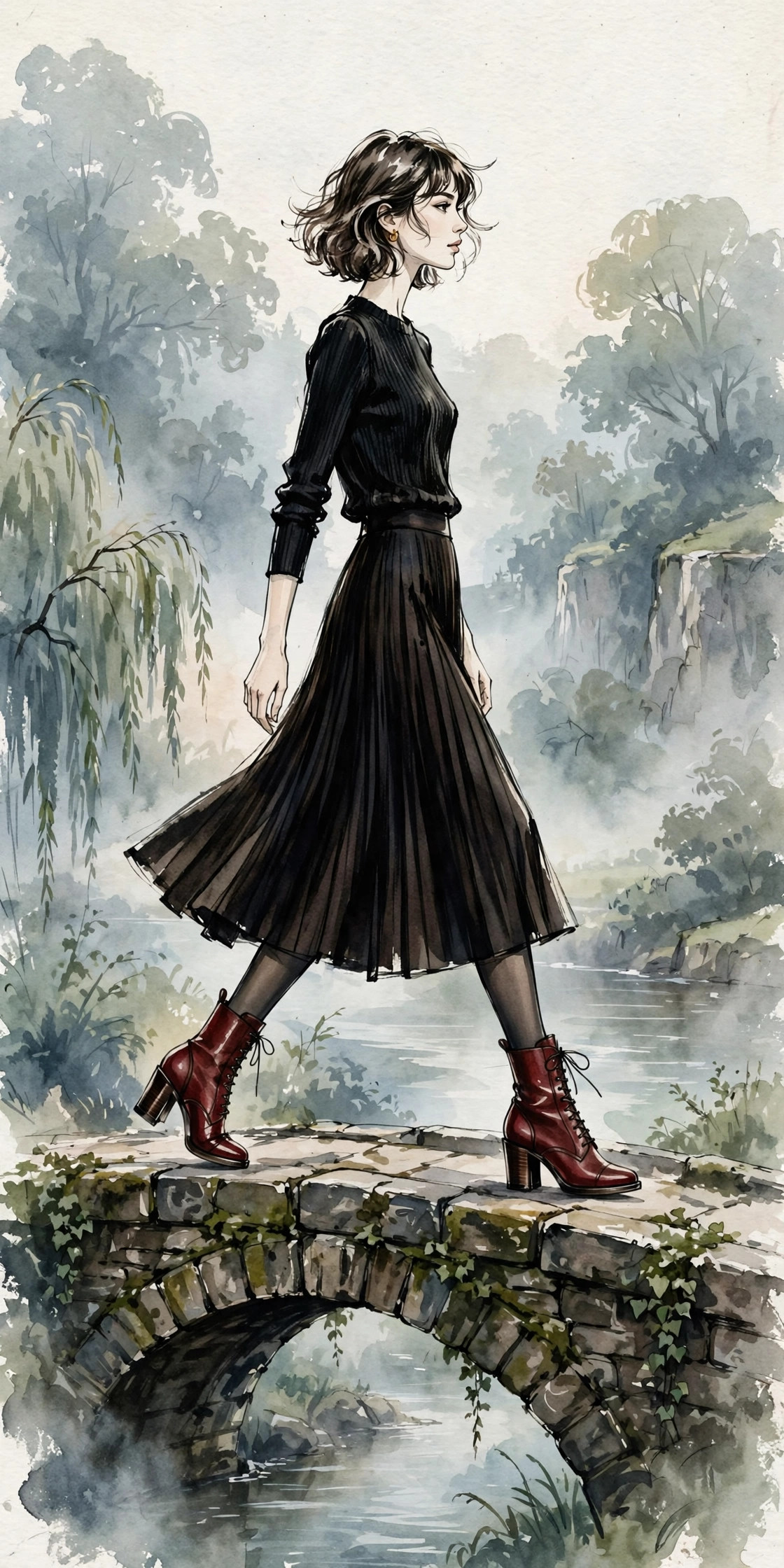
8. Beret with a Trench Coat
The beret and trench combination is poetcore’s Parisian chapter — a Left Bank poet caught in winter rain. The trench should be classic: double-breasted, belted, in camel, stone, or black, falling to mid-calf with the belt tied (not buckled) for that insouciant drape. The beret sits tilted, not perched dead center — wool felt in black, burgundy, or forest holds its shape best. Underneath, a turtleneck and dark trousers or a sweater dress keep the palette moody; the trench is the statement, so the base stays quiet. For more ways to style this coat, our trench coat outfits guide covers the classics.
Rain is this outfit’s natural habitat — the trench sheds it, the beret survives it, and the whole look improves with a little damp atmosphere. Popped collar against the wind, scarf tucked at the neck, leather gloves: every addition deepens the mood. Keep footwear weatherproof — Chelsea boots or sleek waterproof ankle boots — because trench weather is boot weather. One styling note: the beret’s tilt should feel accidental, so adjust it once and stop fiddling. This is the outfit for gallery afternoons, bookshop browsing, and any day you want to look like the most interesting person in the café.

9. Sweater Vest Academia
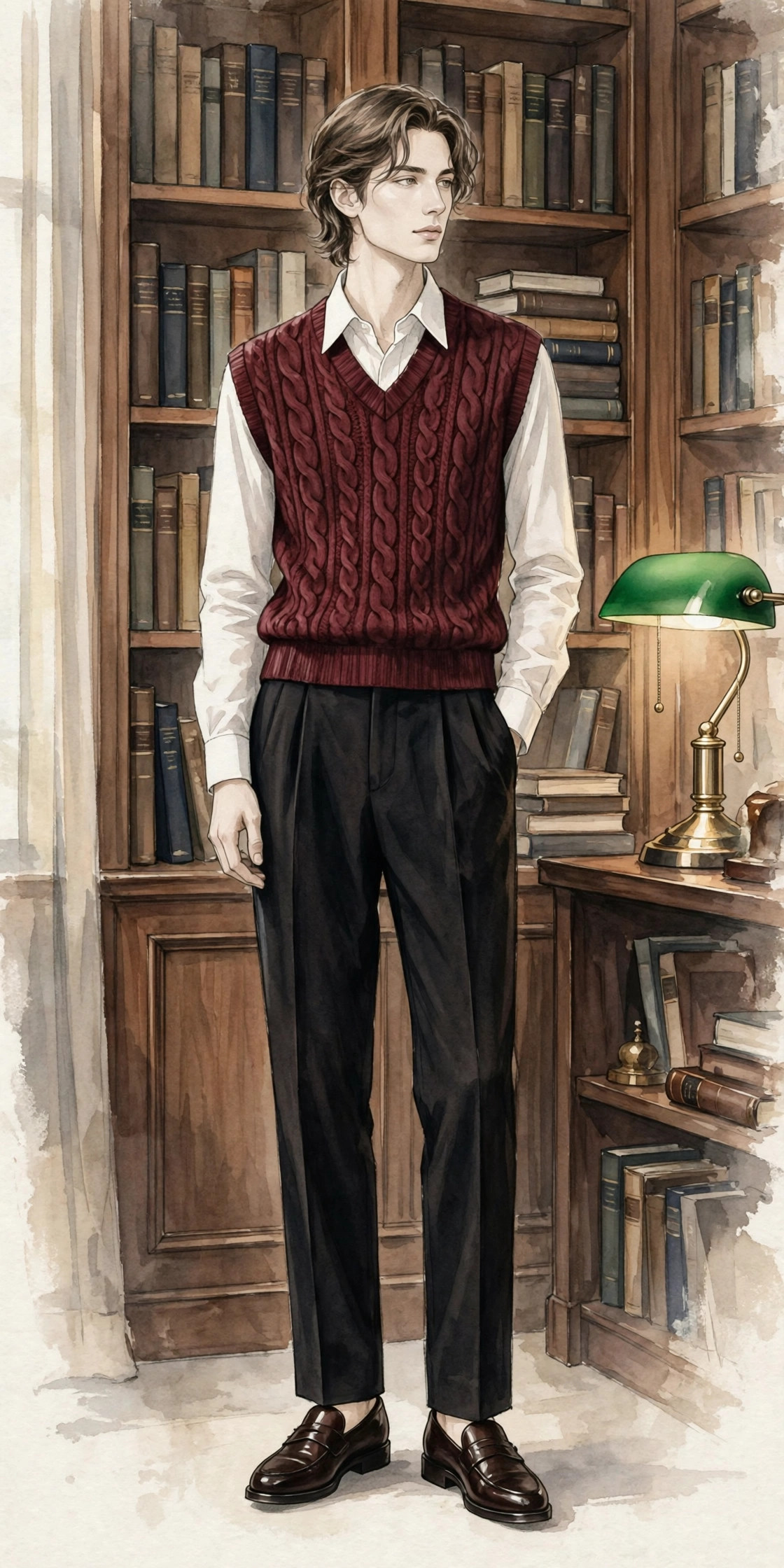
The sweater vest is poetcore’s quiet intellectual — all the academia, none of the costume. A V-neck vest in cable knit, Fair Isle, or plain merino, worn over a crisp collared shirt with the collar popped and the points showing, reads instantly literary. Choose the vest slightly fitted so it skims rather than hangs; argyle or fair-isle patterns in burgundy, forest, or charcoal add the moody color the trend demands. Our Fair Isle sweater outfits roundup has more pattern inspiration if you fall for the print. Below, pleated trousers or a dark mini-to-midi skirt keep the proportions collegiate.
Layer a blazer or long coat over the vest for outdoor winter days — the vest’s texture at the V of the coat is a small detail that photographs beautifully. Roll the shirt sleeves to show at the vest’s armholes for a lived-in feel, and add loafers or brogues. The vest also works over a turtleneck instead of a collared shirt when you want the same silhouette with more warmth. It’s one of the most affordable entries into the aesthetic: one good vest multiplies across every shirt and blouse you own, and the layered collar detail does all the styling work for you.
10. Satin Skirt with an Oversized Cardigan
Satin skirt plus oversized cardigan is poetcore’s softest winter formula — sheen against fuzz, elegance against ease. The skirt should be bias-cut and midi-length in champagne, bronze, or black; the bias cut is what makes it skim rather than cling. The cardigan goes deliberately big — chunky knit, worn open, sleeves pushed up — in cream, oatmeal, or charcoal. The contrast is the entire point: one piece catches the light, the other absorbs it. A simple fitted top underneath (black or matching the skirt) keeps the middle clean, and ankle boots or ballet flats finish it.
This pairing works for evenings at home that might turn into evenings out — it looks dressed up without any effort. Belt the cardigan with a slim leather belt if you want more shape, or leave it open for maximum coziness. For daytime, swap the satin for a matte slip skirt and keep the cardigan; for night, it’s already there. If your style leans toward the romantic, our satin styling ideas show the skirt’s minimalist side, which layers beautifully with the cardigan’s softness. Keep jewelry delicate — a thin gold chain is enough against the satin’s glow.

11. Brocade Waistcoat
The brocade waistcoat is the most baroque piece on this list — a single garment that does the work of three accessories. Look for tapestry-style florals, paisley, or damask in deep jewel tones with metallic thread; the waistcoat should fit close through the torso and end at the hip or just below. Wear it over a poet blouse or a simple black turtleneck, with dark trousers or a long skirt below — the waistcoat is the pattern, so everything else stays solid. Leave it open over the blouse for a relaxed line, or button it for a sharper, more formal silhouette.
This is evening and occasion dressing: dinners, concerts, gallery openings — anywhere candlelight will catch the metallic threads. A long coat over it for the journey there, then the waistcoat takes over indoors. Keep the rest of the outfit’s hardware minimal (no competing statement jewelry) and let the brocade be the jewelry. Vintage and secondhand shops are the best hunting grounds; brocade waistcoats turn up regularly in menswear sections and adapt beautifully. Size it to close comfortably over your base layer, since a straining button undoes all the opulence.

12. Wool Cape
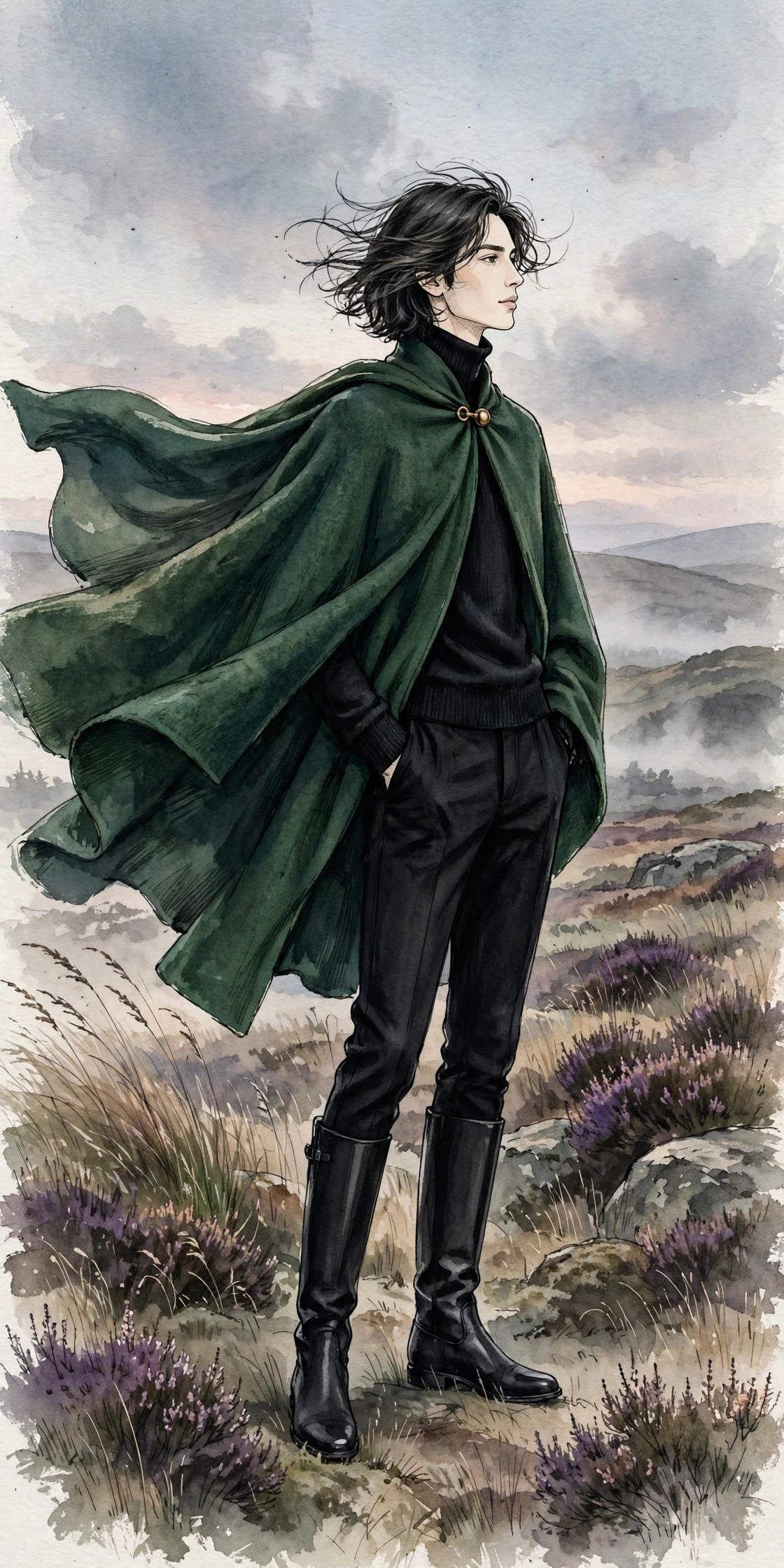
The wool cape is poetcore’s most theatrical winter piece — it moves like a costume and wears like a coat. Choose a cape in charcoal, camel, or deep green wool that falls to mid-thigh or the knee, with a clasp or button at the neck and enough sweep to drape dramatically. Underneath, keep the outfit streamlined — slim trousers, a fitted knit, knee boots — because the cape supplies all the volume. A turtleneck beneath the cape’s neckline frames the face beautifully, and gloves are essential since your arms stay exposed.
Capes divide opinion, which is exactly why they suit the aesthetic: they announce intention. Wear it over evening looks for arrivals that matter, or over a simple sweater-and-jeans base to turn an ordinary day dramatic. The clasp is the detail to get right — a leather toggle or brass closure reads artisanal rather than costumey. In wind, the cape will billow; embrace it, but keep the hem above the knee if you’ll be navigating crowded streets. This is the piece strangers ask about, so wear it when you want the day to feel like a chapter.
13. High-Neck Lace Top
A high-neck lace top brings poetcore’s gothic-romantic register into everyday winter dressing. Look for sheer or semi-sheer lace with a mock neck and long sleeves — black is the classic, but deep plum or espresso lace reads softer and just as moody. Layer it under a blazer, waistcoat, or slip dress so the lace shows at the neck and wrists; worn alone it can feel too delicate for winter, but as a layering piece it’s endlessly useful. A camisole or fitted tank underneath in a matching tone keeps it wearable for day.
The lace does best against structured companions: a tweed blazer, a leather skirt, tailored trousers. That tension — delicate against severe — is the whole styling trick. Keep the rest of the palette dark so the lace’s pattern reads as texture rather than lingerie. For evening, skip the blazer and pair it with a satin skirt; the two sheens together under low light are pure romance. Care matters with lace: hand-wash or use a mesh bag, because a snagged motif ruins the effect. One good lace top layers under half your winter wardrobe, making it one of the highest cost-per-wear pieces in the aesthetic.

14. Leather Satchel Styling
The leather satchel isn’t just an accessory in poetcore — it’s the bag the whole aesthetic was built around. A structured satchel in tan, oxblood, or dark brown leather, worn crossbody or carried by the top handle, instantly literary-fies any outfit it touches. The patina is the point: a satchel that looks like it’s carried manuscripts for a decade beats a pristine one every time, so don’t baby it. Size it to hold a book, a notebook, and the day’s essentials — too small and it reads as a purse, too large and it’s luggage.
Style it against soft outfits (knits, midi dresses) where its structure adds contrast, or against tailored looks (blazers, wool coats) where it completes the uniform. The strap drop matters: crossbody at hip level for walking days, top handle for dressier moments. Brass hardware leans vintage; silver leans modern — pick the one that matches your jewelry. If you’re building the aesthetic on a budget, the satchel is the single best investment: it upgrades jeans-and-sweater days into the poetcore register with zero outfit changes. Condition the leather twice a year and it will outlast every trend cycle.

15. Chunky Knit with Corduroy
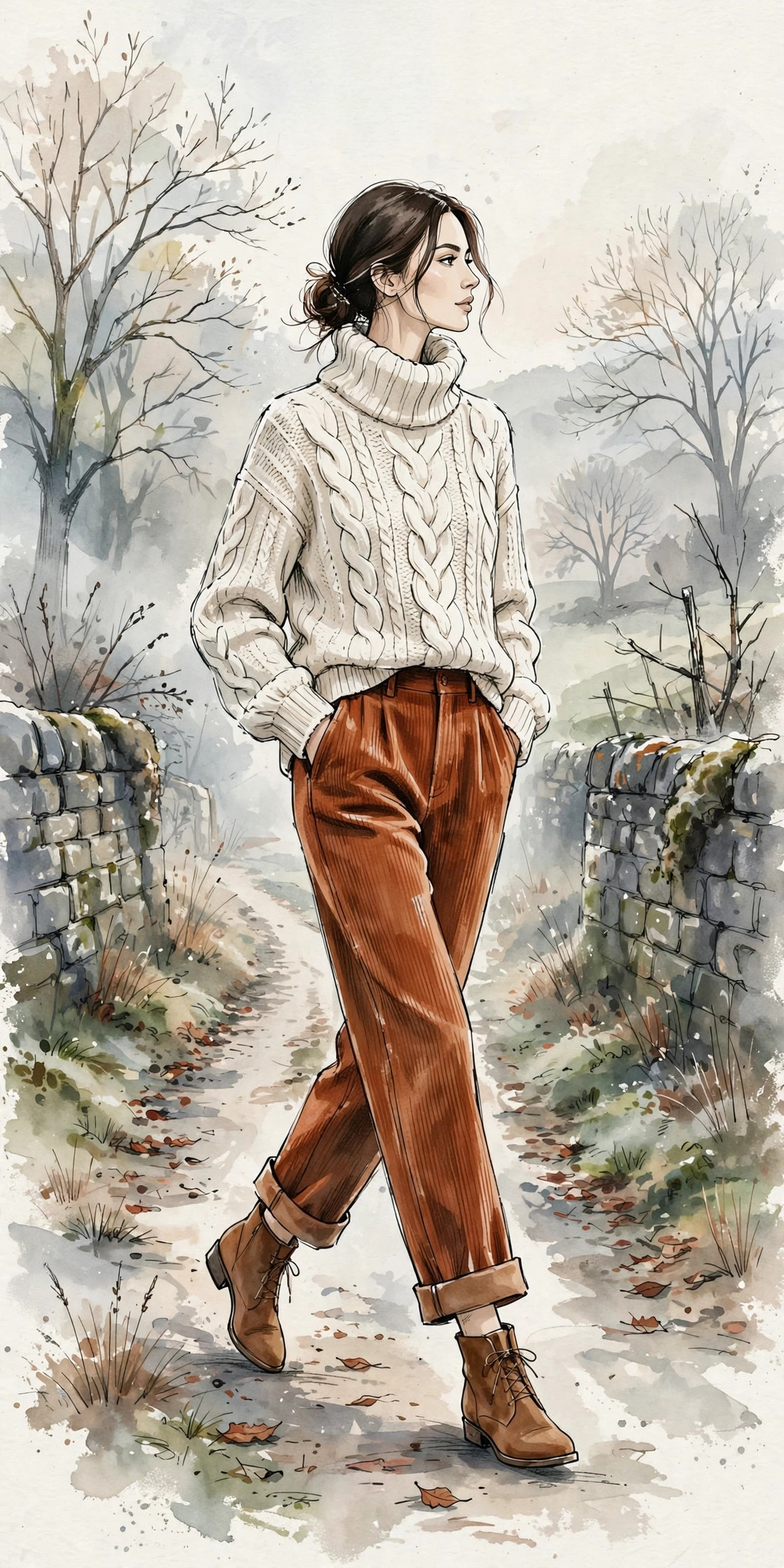
Chunky knit plus corduroy is poetcore’s countryside chapter — the outfit of a poet who actually walks the moors. The knit should be substantial: a fisherman cable, a brushed alpaca crew, or a heavy turtleneck in cream, oatmeal, or forest. Corduroy trousers or a corduroy skirt in rust, chocolate, or olive bring the texture; the wide wale reads more vintage, the fine wale more polished. Tuck a slimmer knit or leave the chunky one untucked over the waistband — either works as long as the proportions stay relaxed. Boots in suede or leather ground the whole thing.
This is the warmest formula on the list and the most forgiving to wear: nothing pinches, nothing slips, everything layers. Add a quilted vest or a waxed jacket for outdoor days, and a wool scarf for the full country-poet effect. The textures do all the talking, so keep colors in the same earthy family rather than mixing brights. It’s also the easiest to thrift — chunky knits and corduroy are charity-shop staples. For a city variation, swap the trousers for dark denim and keep the knit; the countryside mood survives the commute.
16. Winter Poet Layers
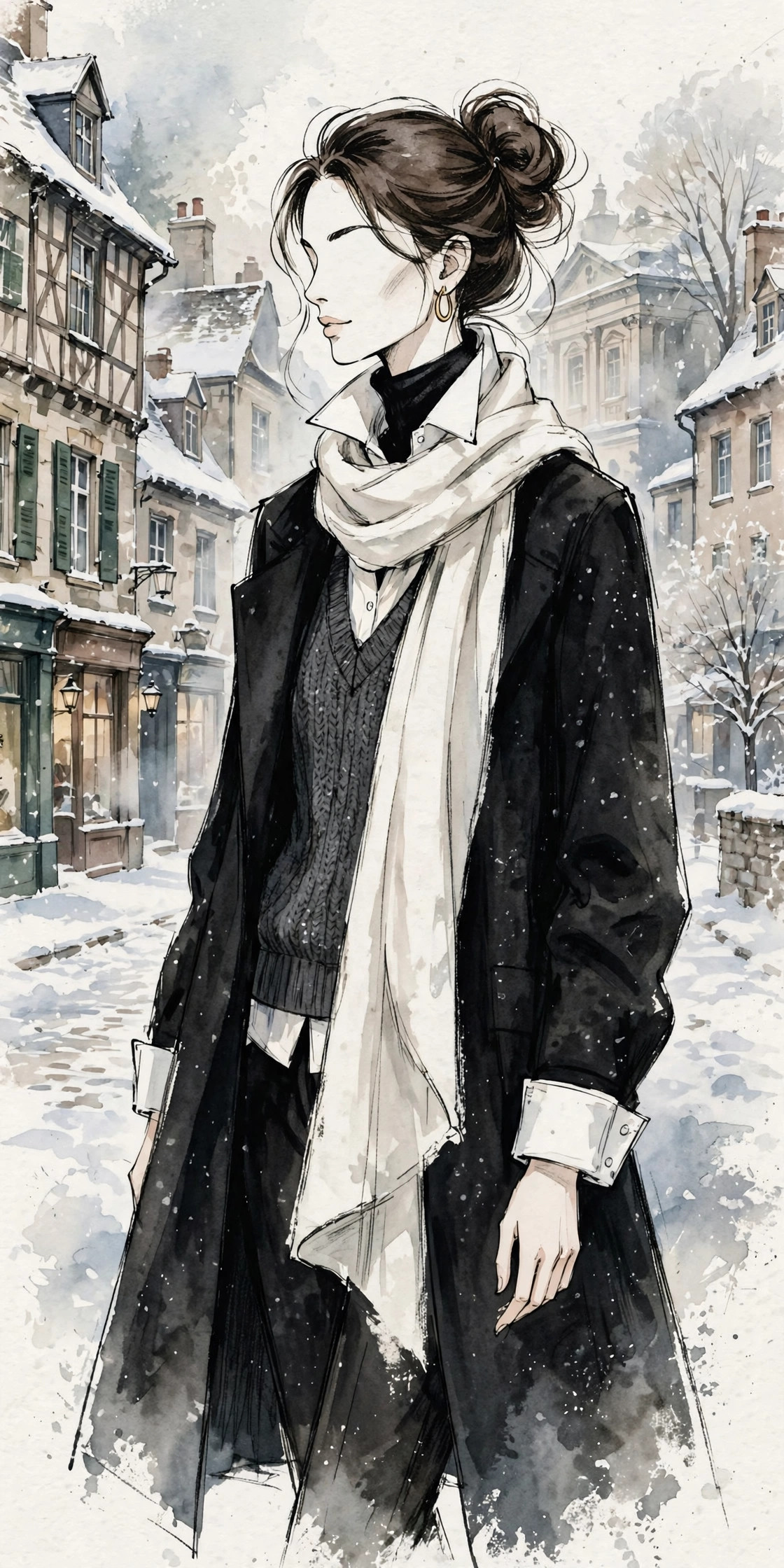
The full winter poet layering formula is where everything on this list converges: turtleneck, blouse or shirt, knit, coat — four deep, each layer visible at the neckline, cuffs, and hem. Start with a fitted black turtleneck, add a collared shirt or poet blouse with the collar and cuffs showing, then a sweater vest or cardigan, and finish with a long wool coat. The palette stays in the dark-romantic family — charcoal, black, oxblood, forest — with one lighter note (an ivory collar, a cream scarf) to keep it from going flat. Each layer should be a slightly different texture so the eye can separate them: matte knit, crisp cotton, soft wool.
The rules are simple: no layer should bunch, and each visible edge should look deliberate. That means fitted base layers, and outer layers with room to move. Unbutton the coat to show the column of layers; push the coat sleeves to flash the shirt cuff and knit beneath. A long scarf looped over everything adds the final vertical line. This is the outfit for the coldest days, when the aesthetic has to survive real weather — and it’s the most personal formula here, because no two people’s layering stacks look alike. Build yours from pieces you already own; the poetcore register comes from the stacking, not the shopping.
Leave a Reply